Choosing a country in which to register holding companies is a responsible task. The legal framework and tax system of a jurisdiction determine the rate of tax on dividends, royalties and capital gains, the level of protection of property rights, and the ability to attract venture capital. The experts of the international law firm Maira Consult recommend considering the jurisdictions for registering holding companies that made it into the TOP-5 best in terms of corporate law and tax burden.
When considering countries for opening a holding company, you should carefully study the key parameters:
Tax regime: the presence of minimal Withholding Tax rates, minimal capital gains tax rates on the sale of shares in subsidiaries, or a full exemption from these taxes.
Controlled Foreign Companies: the dependence of a holding's taxation on tax residency.
Operation of double tax treaties (DTTs): whether the chosen jurisdiction for registering holding companies has signed double tax treaties.
Interests of investors and shareholders: the flexibility of the legal framework, the reliability of the courts, and the right to issue shares.
Data protection: the degree of confidentiality and access to information about founders and ultimate beneficial owners (closed or public registers).
Country image: jurisdictions for registering holding companies with a high reputation affect the status of companies and build trust on the part of the banking system and potential investors.
Currency flows: freedom of capital movement and profit repatriation, without strict restrictions on currency transactions.
Availability of banking services: the possibility of opening a corporate account in compliance with compliance standards.
Substance: the country's requirements for registering holding companies regarding economic presence.
Affordable administration costs: moderate prices for registering and maintaining a holding, annual audit, reporting, and nominee key persons of the company.
Taking all factors into account, Maira Consult lawyers recommend setting up holding companies in Cyprus, Malta, Liechtenstein, the United Kingdom, and the Netherlands.
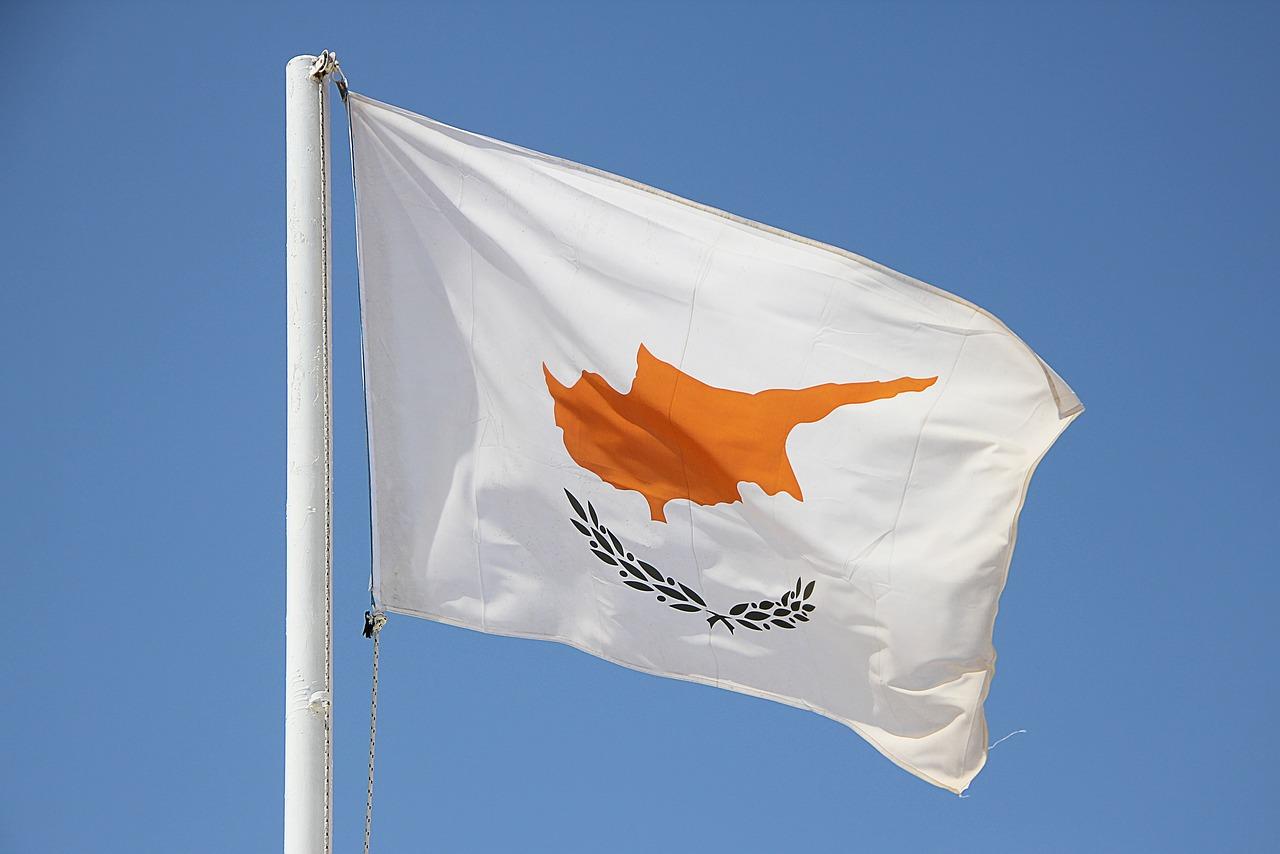
Holding companies in Cyprus

From an economic standpoint, Cyprus is one of the most accessible jurisdictions for creating a holding structure. To open a company in Cyprus in the form of an Ltd, it is enough to declare a share capital of 1 euro. In practice, it is recommended to open a company with a share capital of 1,000 euros or more. Holding companies in Cyprus can be set up remotely in 10 business days.
Features of the Cypriot tax system for holding structures
Corporate income tax | 15% |
Capital gains tax and incoming dividends | 0% |
Withholding tax | 0% |
Exemption from most taxes (on the sale of shares, incoming dividends, and withholding tax) is granted subject to substance requirements. To qualify, the holding must have a local office and a director with Cypriot residence. To obtain banking services, it is important to comply with all KYC/AML standards.
Holding companies in Liechtenstein

Although this premium jurisdiction is not part of the EU, it belongs to the European Economic Area. The Swiss-style legal environment ensures the protection of investors' interests and personal assets. The information about key persons provided during company registration is protected by a high degree of confidentiality.
To open holding companies in Liechtenstein, the founders will need to visit in person and meet strict compliance requirements. A distinctive feature of setting up a business in Liechtenstein is the high cost of registering a company: the setup costs 10,000 Swiss francs (the minimum share capital), plus its subsequent maintenance.
Taxes for a holding in Liechtenstein
Corporate income tax | 12.5% |
Capital gains tax and incoming dividends | 0% |
Withholding tax | 0% |
All income received from participation in subsidiaries is exempt from tax.
Holding companies in the United Kingdom

The United Kingdom has a high-status jurisdiction and attracts business thanks to its predictable and transparent law. To register holding companies in the United Kingdom, you will need share capital starting from 1 euro. Company incorporation takes only 3 days.
When choosing this country for registering holding companies, you should take into account that beneficiary data must be entered in a public register. To open a holding, mandatory verification of all controlling persons must be completed. Strict KYC/AML controls apply when opening a corporate account.
Tax features for holdings in the United Kingdom
Corporate income tax | 19 to 25% |
Capital gains tax and incoming dividends | 0% |
Withholding tax | 0% |
The United Kingdom has signed double tax treaties with more than 130 countries worldwide. Regardless of the treaty network, outgoing dividends are subject to a 0% tax rate. If there are subsidiaries registered in EU countries, the tax burden may be reviewed in connection with Brexit.
Holding companies in Malta

Malta is a full member of the EU and benefits from the applicable parent-subsidiary directives. The jurisdiction is not on any offshore lists and has a consistently high reputation.
You can open holding companies in Malta in 1-2 weeks. For registration, you must immediately pay up 20% of the declared share capital, the minimum of which is set by law at 1,165 euros. A non-resident founder can own 100% of the shares.
Taxation of holdings in Malta
Corporate income tax | 35% The rate may be reduced to 5% through participation in the Tax Refund System, or to 0% for a qualifying holding. |
Capital gains tax and incoming dividends | 0% |
Withholding tax | 0% |
Among the jurisdictions for registering holding companies, Malta stands out from other countries thanks to its Tax Refund System. When a holding pays tax, a refund of 6/7 of it to shareholders is possible, which significantly lowers the rate to 5%. To optimize cross-border transactions, double tax treaties with more than 70 countries are applied.
Holding companies in the Netherlands

The Netherlands is a classic European jurisdiction where the world's leading holdings are concentrated. Funds move within and outside the EU without currency controls.
Holding companies in the Netherlands in the form of a BV are opened with a share capital of just 1 euro, and the business incorporation procedure takes only a week. However, for an operating company, maintaining a registered office and a local director to meet substance requirements is costly.
Taxes for holding companies in the Netherlands
Corporate income tax | 19 to 25% |
Capital gains tax and incoming dividends | 0% |
Withholding tax | The base rate is 15%, but within the European Union it is 0%. |
The participation exemption regime makes it possible to avoid paying corporate tax on the sale of a subsidiary, provided that you hold at least 5% of its shares. 100 countries are parties to double tax treaties with the Netherlands, which gives the right to apply a zero withholding tax rate.
When choosing a country for registering holding companies, you should carry out a thorough analysis of the key criteria: tax efficiency, legal protection, currency controls, and substance and compliance requirements. To help you find a solution quickly, Maira Consult lawyers will carry out a set of measures to select a favorable jurisdiction for opening a holding.