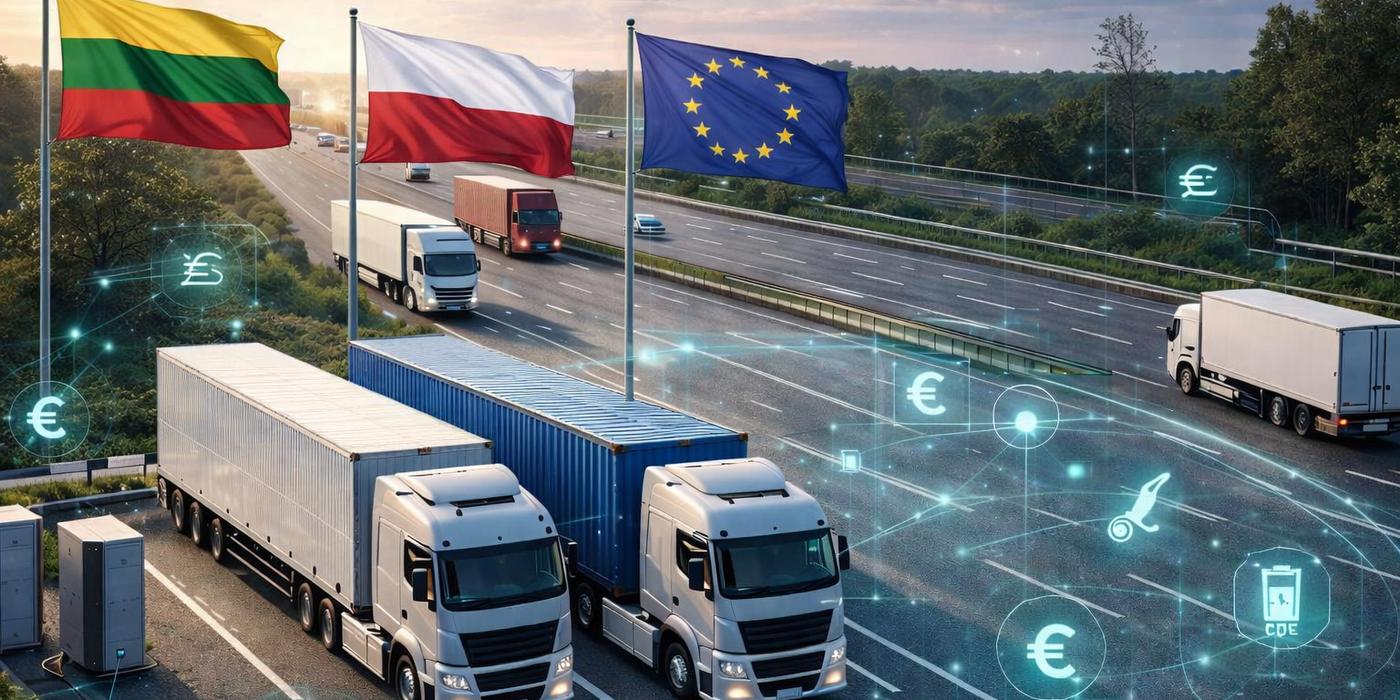
In international transport business, the choice of jurisdiction for company registration plays a key role. In the logistics sector, Poland and Lithuania are of particular interest to entrepreneurs. A favorable geographic location, free access to EU markets, and a moderate taxation system create the conditions for successful commercial activity. Experts at the international law firm Maira Consult know more about why Poland and Lithuania are popular for registering logistics companies.
According to statistical data from Poland, the jurisdiction has more than 102 thousand registered logistics firms and more than 25 thousand companies providing related transport services. The Lithuanian market includes more than 16.5 thousand logistics enterprises, which account for up to 10% of the country's total GDP.
Working without geographic barriers
Lithuania and Poland are popular countries for registering logistics companies. They have earned their leading position thanks to free access to routes across all 27 countries of the European Union. This is facilitated by:
unobstructed movement of cargo to any point in the EU;
the operation of the Schengen Agreement, under which there is no customs monitoring at borders;
rail connections (high-speed routes) with Western Europe and the Baltic countries;
a network of motorways connecting to Southern Europe.
These states form key transit hubs, considered among the best for moving freight flows along the East-West and North-South corridors, and also provide access toward the eastern countries.
Licensing: a barrier-free path to EU markets
Registering a logistics firm in Poland or Lithuania requires the company to obtain a license. Licensing applies to companies that use transport as part of their operations and are directly engaged in carriage. The EU Community license is valid throughout the entire territory of the EU and grants the right to transport goods in transit without obtaining a bilateral permit upon entering each country along the route.
Starting and managing the business
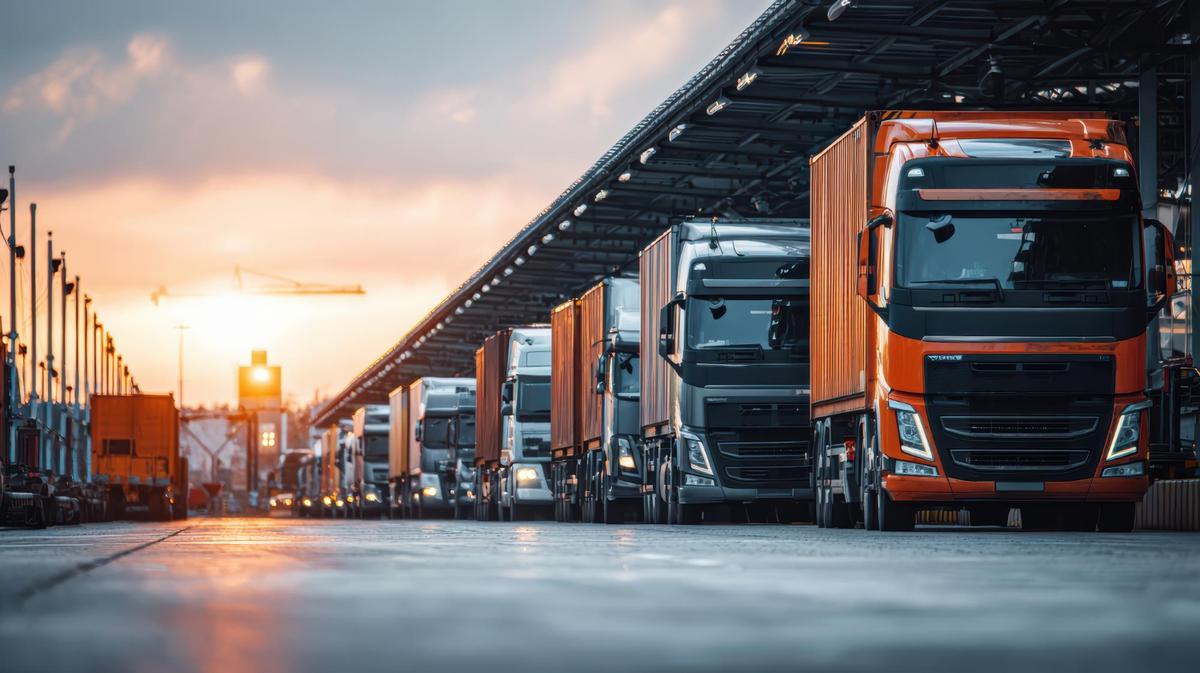
Popular countries for registering logistics companies, Lithuania and Poland, offer a key advantage: simplified administrative processes when starting a business.
Key factors | Features |
Process of launching a logistics firm | To open a company in Poland, the owner's personal presence is not required. Registration can be completed through the S24 online service. Setting up a company takes just 3 days. Lithuania is known for its easy company start, taking only 1-2 days through the Center of Registers electronic service. |
No residency requirements | In Poland, a company engaged in cross-border cargo transport can be opened on equal terms by both residents and foreigners without Polish citizenship. Lithuanian law does not require the company owner, director, or shareholders to be residents of the country. |
Low administrative costs | Not only is maintaining a company in Poland and Lithuania inexpensive. Budget savings are also driven by:
Flexible legislation also helps keep administrative costs low. |
Favorable tax conditions | The Polish corporate tax rate is 19%. A small logistics company (small business) can qualify for 9%. Companies are also entitled to the 9% CIT rate in their first year of operation. In Lithuania, corporate income tax is levied at a rate of 15%. To obtain the preferential 5% rate, a company must meet the small business requirements. |
To make starting a logistics business easier, popular countries for registering logistics companies such as Lithuania and Poland offer free access to vehicle leasing at the lowest interest rates. There are also attractive lending programs with low annual interest rates for building a vehicle fleet in these countries.
Opening a corporate bank account for a logistics company in Lithuania and Poland

One of the important steps on the way to launching a logistics business is opening an account with a foreign bank. As part of the fight against money laundering and the prevention of fraud and economic crimes, banks in both jurisdictions carry out strict KYC and AML checks. To obtain a bank account without problems, certain mandatory requirements must be met.
Requirements in Poland
Prove the business's economic presence to the reviewing authorities.
For substance purposes, the company must demonstrate operational activity within the jurisdiction, provide the bank with contracts with counterparties, and a list of customers and partners. As part of the substance check, the company must have an office. Unlike most European countries, Poland allows a virtual office.
Compliance
To pass the check, the company must be registered in the KRS, have founding documents (the Founders' Resolution and the Articles of Association), a transparent management structure, and open information about the beneficiaries.
Contacting the bank
When signing the agreement for use of a corporate account at banks in Poland, the personal presence of the owner or board members at the bank is required.
Requirements in Lithuania
Confirm economic presence.
Lithuanian banks require a real physical office (utility bill payments, lease agreement, or property ownership), the employment of officially registered staff (with salary payments). A connection with local partners also serves as proof of operating within Lithuania.
Compliance
To confirm the reliability of a transport or logistics company in Lithuania, an extract from the Center of Registers, the Articles of Association (with the business structure), a Certificate of Registration, a protocol appointing the director, and documents on the management team (identification documents of the beneficiaries and their place of residence) must be provided.
Contacting the bank
To open and activate a bank account in Lithuania, the personal presence of the company director is sufficient.
When it comes to choosing jurisdictions for opening bank accounts, the most popular countries for registering logistics companies are Poland and Lithuania. Having a corporate account here increases the trust of counterparties, partners, and investors. Obtaining an IBAN makes it possible to settle in EUR with European customers and partners without obstacles, while avoiding double conversion.
Alternative payment instruments
Strict compliance standards for transport and logistics companies, both at opening and during operations, can significantly affect timelines and the execution of business plans. Problems during compliance checks lead to delayed transactions, account blocking, and forced closure of the firm. The legal department of Maira Consult recommends, in a number of cases, an optimal solution: using the well-developed fintech system.
Thanks to fintech, these popular countries for registering logistics companies make it possible to:
carry out cross-border payments instantly;
organize digital factoring;
use multicurrency accounts in operations;
reduce transaction costs;
settle payments with counterparties, drivers, and suppliers without paying high fees.
Innovations in the Polish fintech market make B2B payments easier and faster, and help digitalize transport supply chains. In Lithuania, well-developed EMI systems achieve significant optimization of international transaction costs and fast IBAN issuance.
Poland and Lithuania are logistics hubs and fintech centers, jurisdictions with favorable legal and tax conditions. Professional support from Maira Consult lawyers and business process support services will help explore why Poland and Lithuania are popular for registering logistics companies and are often chosen for tax planning.